CHLOE WRITES: In the grasslands of Kenya there has been an amazing discovery about the Olive Baboon. An anthropologist has been studying the baboons for 42 years and say that that is not enough time to thoroughly see the baboon's natural habits. The baboons have been suffering due to the human population doubling and climate and environmental change. The baboons then had to readjust their lifestyle when they changed their habitat. They then also had to change their diet to the prickly pear.
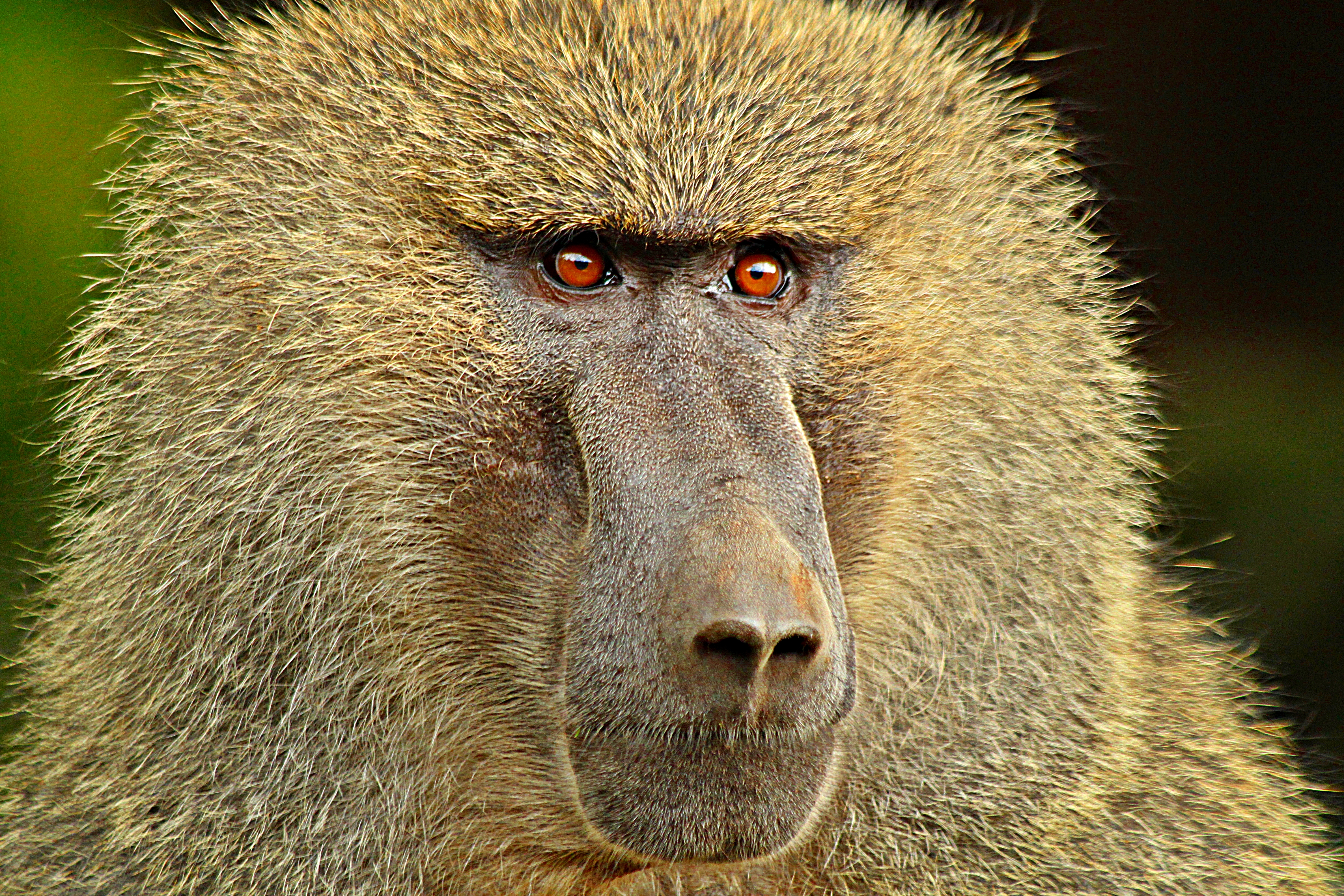 While other animals eating the fruit suffered the consequences like mouth and gut ulcers and internal bleeding caused by the hairs on the fruit, the baboons knew how to cope. The baboons rub the prickly pear in the dirt to get the hairs off and in the dry season the males would squeeze the juice out of the fruit and eat the skin after.Since they changed their diet to the prickly pear they have become healthier.The Olive Baboon is such a smart animal!

Angus explains: In Kenya there has been a long term study on Papio Anubis. You may know Papio Anubis as the Olive Baboon.Baboons have been in trouble from land hungry humans doubling in around a decade,but climate change is also playing a part in the decrease of Baboons. As parts of Kenya were degraded the Baboons were pushed to their limits and started to eat Prickly Pears.When other animals eat Prickly Pears they get stomach ulcers and internal bleeding, killing them, but baboons have adapted a technique to roll the fatal hairs off the Prickly Pears in the dirt.
This is Marvelous story of evolution…
Ciaran notes: A unique species of primate has recently adapted to eating the harsh fruit in the boiling grasslands of Kenya…the Olive Baboons.
A patient anthropologist in Shirley Strum has been closely following these animals for a long 42 years. She has seen the dramatic changes to the outskirts of the towns and how degraded they now are. Against the odds, the baboons have demonstrated pure genius to overcome the dangers of such a powerful…fruit! The prickly pear is one of the toughest and roughest creatures around. If eaten, it viciously kills you. The intelligent baboons roll the dangerous fruit onto the dirt to scrape off the prickles. However, the baboons wouldn’t have had to modify their diet if it wasn’t for us greedy, land hungry humans. The population in Kenya has significantly grown. In the last two decades Kenya’s human population has doubled. Our sometimes silly and disgraceful actions to purchase and take land we don’t need, nearly wiped out this beautiful species.
